
How Poor Transcription Can Affect Court Case Outcomes
Poor transcription in legal proceedings can fundamentally alter the course of justice. From misquoted testimony and missing context to procedural errors and appeals based on flawed records, inaccurate court transcripts undermine fairness, efficiency, and trust in judicial systems worldwide. This in-depth article explores how transcription errors arise, the specific ways they affect court case outcomes, real-world illustrative scenarios, and why professional, human-verified legal transcription is essential for courts, law firms, and investigators operating in high-stakes environments.
Introduction: When Words Decide Justice
In courts of law, words carry weight far beyond ordinary conversation. A single phrase can determine guilt or innocence, liability or acquittal, credibility or doubt. Court transcripts are not merely records; they are the authoritative written memory of legal proceedings. Judges rely on them when delivering rulings, lawyers use them to build arguments and appeals, and appellate courts depend on them to review decisions long after witnesses have left the stand.
When transcription is poor, incomplete, or inaccurate, the consequences can be profound. Justice may be delayed, distorted, or denied entirely. This article examines how poor transcription affects court case outcomes, why errors occur, and what legal professionals can do to safeguard the integrity of the record.
Understanding Legal Transcription and Its Role in the Justice System
Legal transcription involves converting spoken legal proceedings into accurate written text. These proceedings may include court hearings, trials, depositions, arbitrations, police interviews, and sworn statements. Unlike general transcription, legal transcription demands precision, contextual understanding, and familiarity with legal terminology and procedure.
Court transcripts serve several critical functions:
- They provide an official record of what was said during proceedings.
- They enable judges to review testimony and arguments.
- They form the basis for appeals and judicial reviews.
- They support transparency and accountability within the justice system.
Because transcripts are often treated as definitive records, even minor inaccuracies can have disproportionate effects.
The Three Primary SEO Keywords Defined
- Legal Transcription Errors
This keyword refers to mistakes made during the transcription of legal proceedings. These errors can include misheard words, incorrect speaker attribution, omissions, additions, or formatting mistakes that alter meaning or clarity.
- Court Transcription Accuracy
Court transcription accuracy measures how faithfully a transcript reflects the spoken record of court proceedings. High accuracy is essential to preserve context, intent, tone, and legal nuance.
- Inaccurate Court Transcripts
Inaccurate court transcripts are records that fail to represent proceedings correctly. These may result from poor audio quality, lack of legal expertise, automated transcription misuse, or insufficient quality control.
How Transcription Errors Commonly Occur in Legal Proceedings
Poor transcription rarely results from a single cause. Instead, it typically arises from a combination of technical, human, and procedural factors.
Poor Audio Quality
Courtrooms are acoustically complex environments. Overlapping speech, accents, background noise, and distance from microphones can all degrade audio quality. Without proper equipment or skilled listeners, crucial words may be misheard or missed entirely.
Use of Automated Transcription Without Human Review
While automated speech recognition has improved, it remains unreliable in legal contexts. Legal language, formal speech patterns, and specialised terminology often lead to high error rates when transcripts are generated without expert human verification.
Inexperienced or Untrained Transcribers
Legal transcription requires subject-matter familiarity. Transcribers without legal training may misinterpret terminology, misunderstand procedural language, or fail to recognise when a word choice materially affects meaning.
Time Pressure and Cost-Cutting
Tight deadlines and low-cost providers often prioritise speed over accuracy. In legal contexts, this trade-off can be catastrophic.
The Direct Impact of Poor Transcription on Court Case Outcomes
Misrepresentation of Testimony
Witness testimony is central to many cases. If a transcript inaccurately records what a witness said, it can change the perceived facts of the case.
Illustrative example:
A witness states, “I did not see the accused enter the building.”
A poor transcript records, “I did see the accused enter the building.”
This single missing word reverses the meaning entirely and could influence a verdict.
Loss of Context and Nuance
Legal meaning often depends on context. Tone, hesitation, clarification, and sequential questioning all matter. Poor transcription may flatten speech into text without capturing these nuances, leading to misinterpretation.
For example, sarcasm, uncertainty, or conditional statements can be rendered as definitive assertions when context is lost.
Errors in Legal Terminology
Legal terms have precise meanings. Confusing similar-sounding terms or misrendering technical language can introduce serious misunderstandings.
Examples include:
- “Indictment” vs “inducement”
- “Mitigation” vs “mediation”
- “Liability” vs “liberty”
Such errors can undermine arguments or create grounds for dispute.
Procedural Consequences of Inaccurate Court Transcripts
Grounds for Appeal
One of the most serious consequences of poor transcription is its use as grounds for appeal. Appellate courts rely heavily on transcripts to assess whether trials were conducted fairly and according to law.
If a transcript is demonstrably inaccurate:
- Appeals may be upheld.
- Verdicts may be overturned.
- Cases may be sent back for retrial.
This leads to increased costs, delays, and emotional strain for all parties involved.
Judicial Review and Delays
Judges often review transcripts when drafting judgments. Inaccurate records can slow this process, require clarification hearings, or result in flawed reasoning based on incorrect information.
Evidentiary Disputes
Discrepancies between audio recordings and transcripts can lead to disputes over what was actually said. This can shift focus away from substantive issues and towards procedural arguments, weakening the overall administration of justice.
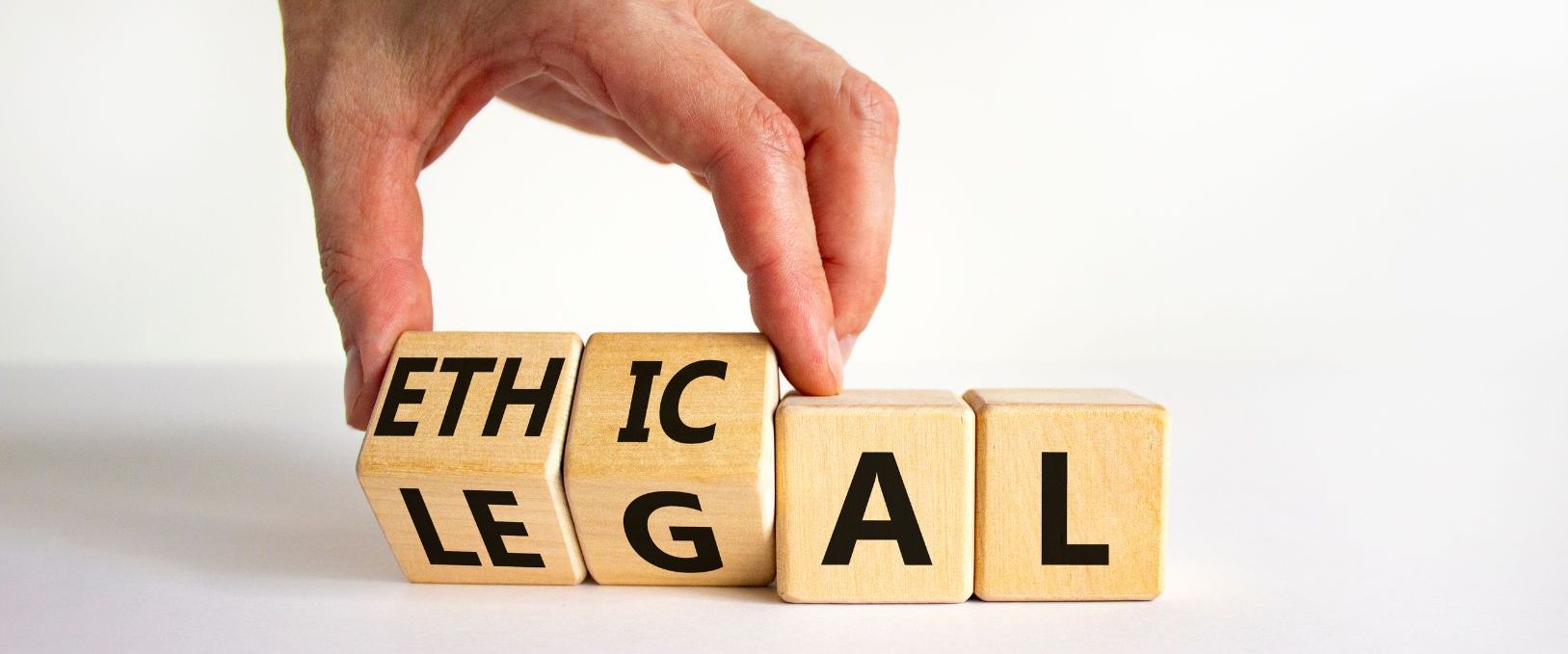
The Ethical and Fairness Implications
Justice systems depend on fairness and equality before the law. Poor transcription disproportionately affects vulnerable participants, including:
- Non-native English speakers
- Individuals with strong regional accents
- Soft-spoken or anxious witnesses
- Defendants without experienced legal representation
When transcription fails to accurately reflect these voices, it risks silencing or misrepresenting them. This raises ethical concerns about access to justice and procedural fairness.
The Limits of Automated Transcription in Legal Settings
Automated transcription tools are increasingly used due to cost and speed advantages. However, their limitations are particularly pronounced in legal environments.
Accuracy Gaps
Even advanced systems struggle with:
- Overlapping speakers
- Legal jargon
- Accents and dialects
- Courtroom acoustics
Error rates that may be acceptable in business meetings are unacceptable in court proceedings.
Lack of Accountability
Automated systems cannot be cross-examined, certified, or held accountable in the way human transcribers can. In legal contexts, accountability is essential.
Inadmissibility Risks
In some jurisdictions, transcripts produced without human verification may be challenged or deemed inadmissible, especially if accuracy cannot be certified.
Illustrative Case Scenarios: How Transcription Errors Shape Outcomes
Scenario 1: Criminal Trial
In a criminal case, a defendant’s statement during police questioning is transcribed inaccurately, omitting a conditional phrase that indicates uncertainty. The transcript is used to suggest a confession that was never intended. Defence counsel later uncovers the error, leading to a protracted legal battle and delayed justice.
Scenario 2: Civil Litigation
In a contractual dispute, expert witness testimony includes a nuanced explanation of risk probability. The transcript simplifies this into an absolute statement, which the opposing counsel uses to discredit the expert. The case outcome hinges on a misrepresentation rooted in transcription error.
Scenario 3: Family Court Proceedings
In custody hearings, emotional testimony is particularly vulnerable to misinterpretation. Poor transcription strips context from a parent’s statements, portraying concern as instability. This influences interim decisions until corrected.
These scenarios, while illustrative, reflect real risks faced by courts worldwide.
International Implications Across Common Law Jurisdictions
The risks of poor transcription are not confined to one country. Common law systems in the United Kingdom, Canada, Australia, the United States, Singapore, and other English-speaking nations share heavy reliance on written records.
Across these jurisdictions:
- Appeals depend on transcript accuracy.
- Precedent relies on precise wording.
- Cross-border legal cooperation requires reliable records.
Inaccurate transcripts can therefore have international ramifications, particularly in extradition cases, international arbitration, and transnational litigation.
Best Practices for Ensuring Court Transcription Accuracy
Use Professional Legal Transcription Services
Specialist providers understand legal language, procedure, and confidentiality requirements. Human-led transcription with rigorous quality control remains the gold standard.
Implement Multi-Level Quality Assurance
Effective transcription processes include:
- Initial transcription by trained professionals
- Independent review and verification
- Final quality checks against audio
Maintain Clear Audio Records
Courts and legal teams should invest in proper recording equipment and ensure speakers are clearly captured.
Prioritise Accuracy Over Speed
While timely delivery is important, accuracy must never be compromised in legal contexts.
The Role of Trusted Transcription Partners
Professional transcription partners play a critical role in safeguarding judicial integrity. Established providers with experience in legal transcription offer:
- Human-verified accuracy
- Confidential handling of sensitive material
- Compliance with data protection regulations
- Clear audit trails and certification where required
One such provider is Way With Words, which offers specialist legal transcription services designed for high-stakes environments where accuracy and accountability are essential. More information is available at https://waywithwords.net/
Conclusion: Accuracy as a Cornerstone of Justice
Poor transcription is not a minor administrative issue. It is a systemic risk that can alter court case outcomes, undermine fairness, and erode trust in the justice system. From misquoted testimony to overturned verdicts, the consequences of inaccurate court transcripts are far-reaching and costly.
In an era of increasing automation and efficiency pressures, legal professionals must remain vigilant. Accuracy, context, and human expertise remain indispensable in legal transcription. Courts, law firms, and investigators who recognise this protect not only their cases, but the integrity of justice itself.
Ultimately, when words decide outcomes, getting those words right is not optional. It is fundamental.